

How Thoughtful Interior Design Shapes the Way We Live at Home
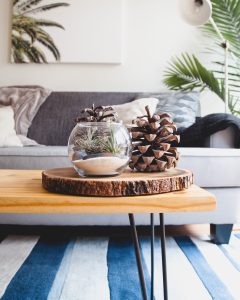
Interior design is often thought of as purely visual, but the most successful homes are designed with daily life in mind. The way a space is laid out, furnished, and finished can quietly influence how we feel, move, and function within it.
A well-designed interior prioritizes flow and usability before aesthetics. Furniture placement that allows for easy movement, lighting that adapts to different times of day, and thoughtful storage solutions all contribute to a home that feels calm rather than chaotic. When spaces work intuitively, they support daily routines instead of complicating them.
Color and texture also play a significant role in how a home feels. Neutral palettes tend to create a sense of openness and longevity, while natural materials such as wood, stone, and textiles add warmth and depth. These elements do not need to be bold to be impactful. Often, subtle choices create the most inviting environments.
Another important aspect of interior design is flexibility. Homes that adapt well over time are often the most comfortable to live in. Spaces that can shift between work, rest, and gathering allow homeowners to respond to changing needs without major renovations. This flexibility becomes especially valuable as lifestyles evolve.
Ultimately, interior design is about creating spaces that support the people who live there. A home does not need to be perfect or overly styled to feel good. When design decisions are intentional and aligned with how a space is truly used, a home naturally becomes more functional, comfortable, and enjoyable to live in.
